
Sustainability approach
We all have a responsibility to the countries we visit to reduce our environmental and social impact for the benefit of the host city and its residents
Macao and the Greater Bay Area – a regional powerhouse for sustainable development
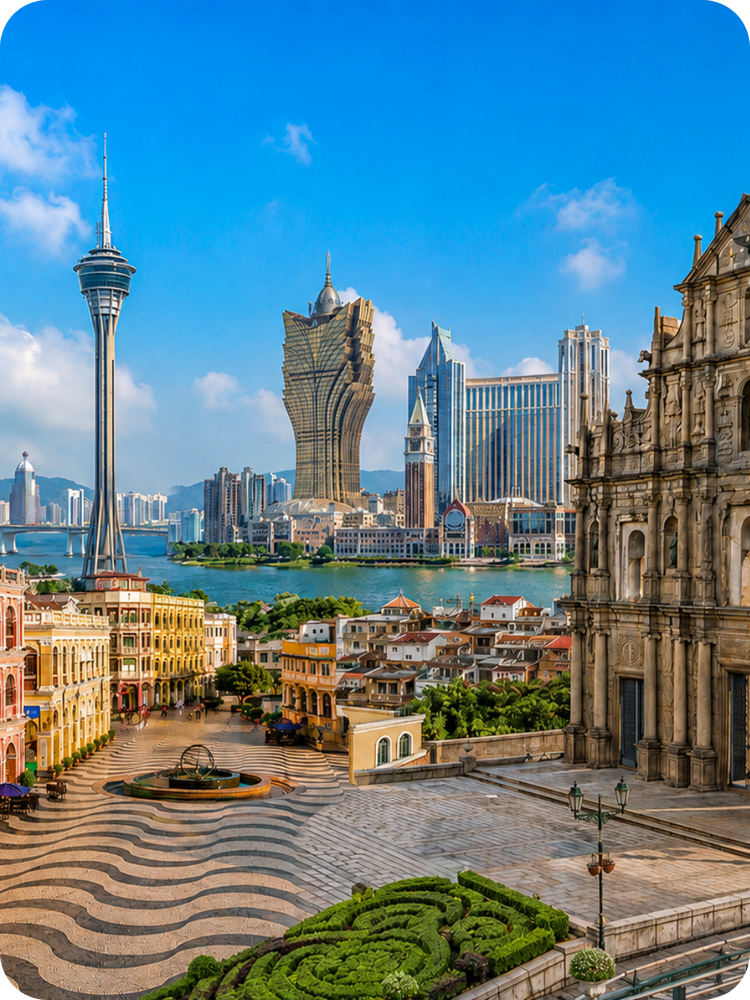
Macao is part of the Guangdong–Hong Kong–Macao Greater Bay Area, a dynamic region of 11 cities with more than 88 million people and a combined GDP exceeding US$2.2 trillion in 2025. As the region continues to grow, it faces the challenge of balancing economic development with environmental protection, low-carbon growth and improved quality of life.
From green development and ecological conservation to smart cities and regional collaboration, the Greater Bay Area is working to build a more sustainable and resilient future. By hosting the Global Sustainable Development Congress 2027 in Macao, we bring the global higher education, business and policy communities to the heart of this fast-evolving region to explore how research, innovation and cross-sector partnerships can advance sustainable development across Asia-Pacific and beyond.
A landmark venue with sustainability in focus
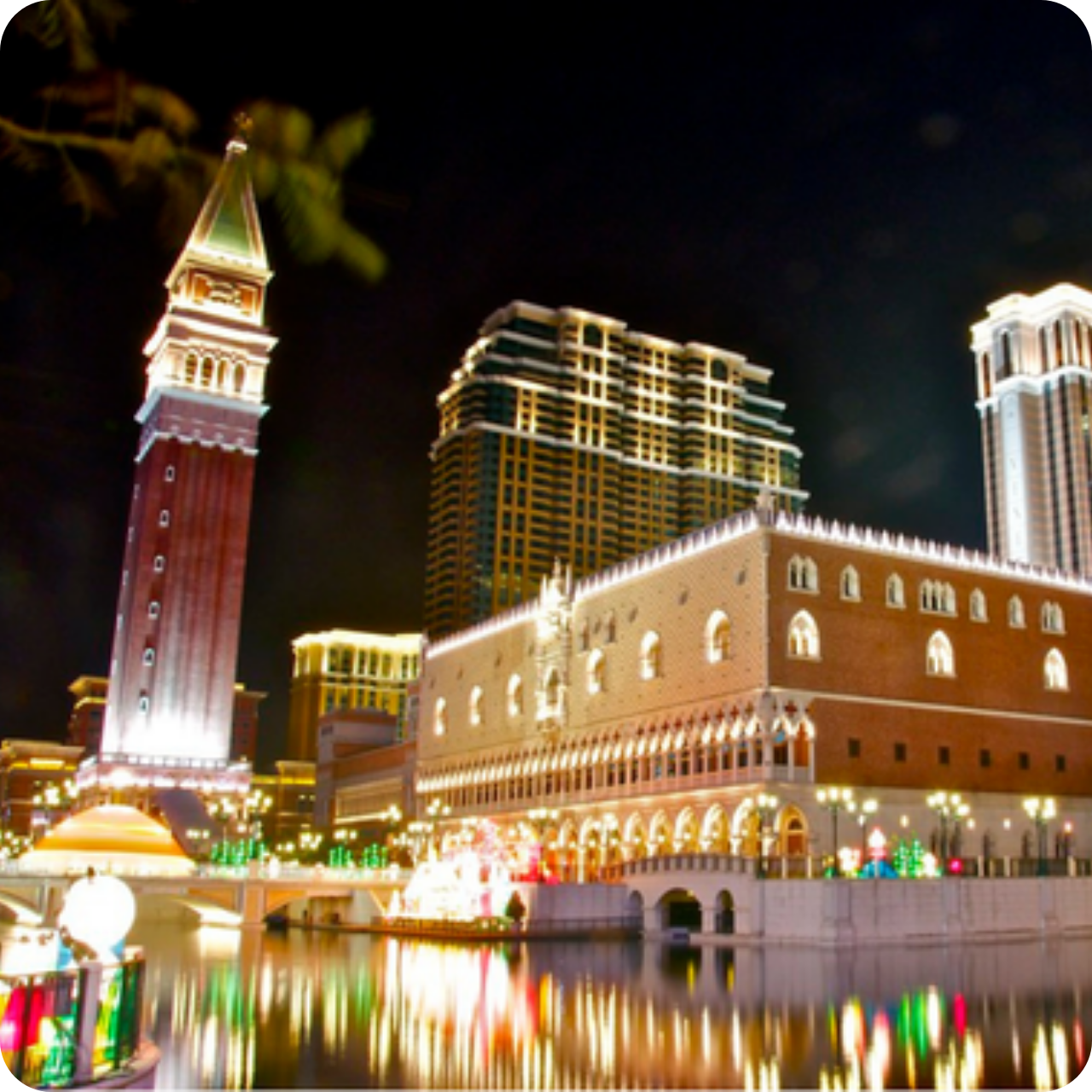
The congress will be hosted at The Venetian Macao, bringing delegates together at one of Macao’s leading integrated resorts and convention destinations. Its Cotai Expo facilities offer extensive space for conferences, exhibitions and large-scale events, making it a fitting setting for global discussions on sustainable development. Sustainability is also part of the venue’s operational approach, with initiatives focused on energy efficiency, waste reduction and more responsible events. The Venetian Macao has received the Macao Green Hotel Award, reflecting its efforts to improve environmental performance.
Read the venue's sustainability strategy and their 2025 ESG Report.
Get involved
The Global Sustainable Development Congress 2027 is where the world’s leading universities, businesses, governments and NGOs meet to shape a sustainable future. The congress is where strategies are set, partnerships are forged and real progress is made.
The congress will grow with more stages, more attendees and more chances to meet leaders and connect with organisations investing in sustainable development across research, policy and industry.
Approach on-site
Legacy
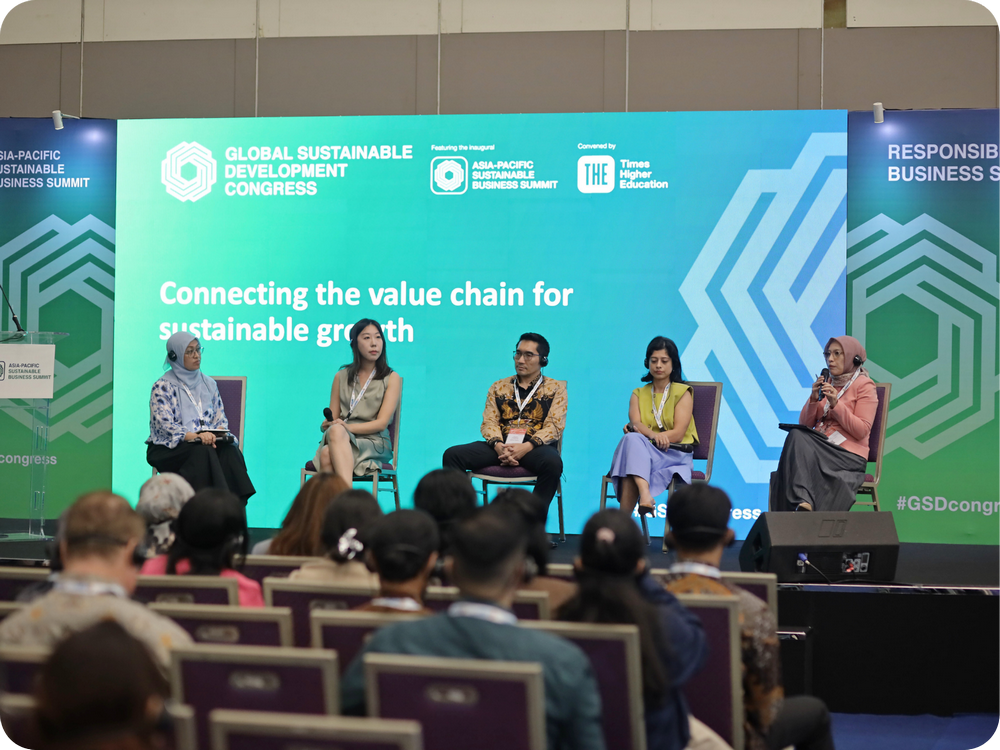
The 2026 congress expanded its reach with the Asia-Pacific Sustainable Business Summit, a dedicated platform connecting businesses and value chains to accelerate sustainable growth across the region.
The message was clear: sustainability is no longer a specialist agenda or communications exercise. It is a driver of competitiveness, resilience, innovation and long-term value. Organisations must turn commitments into action across finance, infrastructure, procurement, talent, technology and operations. They must embed sustainability into core business strategy and build partnerships that deliver measurable impact.
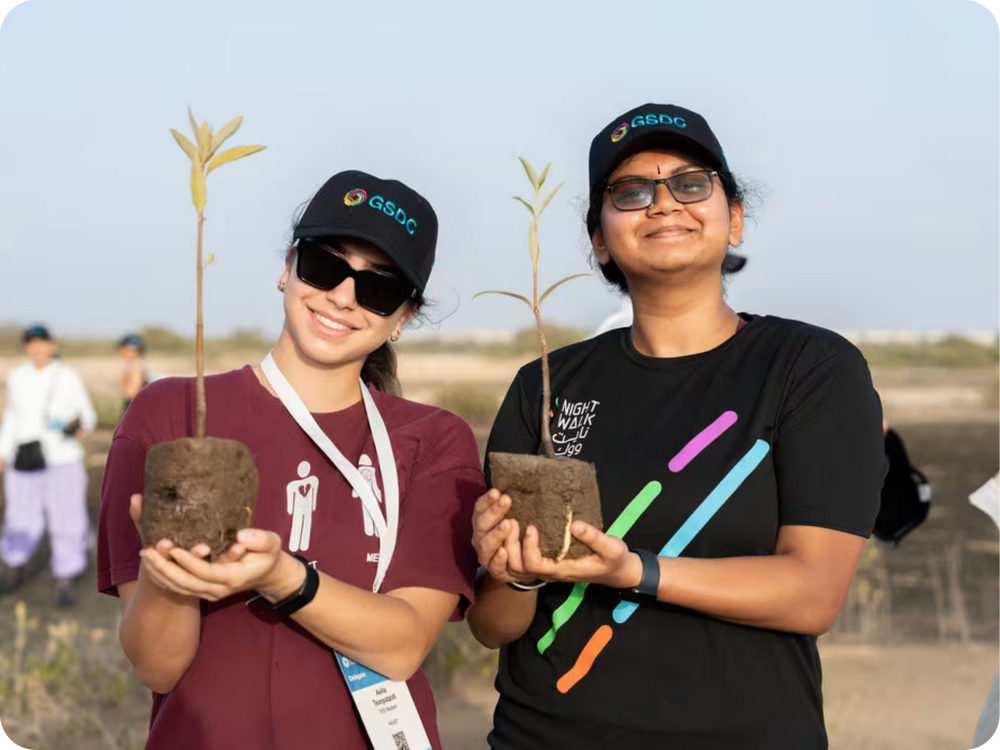
In 2023, we collaborated with the Health, Safety and Environment Department and the Sustainability Office of our event host, King Abdullah University of Science and Technology (KAUST), to alleviate the carbon equivalent generated by our delegates' and speakers' travel by planting mangroves.
Also known as “blue carbon”, mangroves typically sequester carbon at two to four times the rate of mature tropical forests and contain the highest carbon density of all terrestrial ecosystems. Each mangrove tree planted removes more than 308kg of CO2 from the atmosphere over the growth life of the tree.
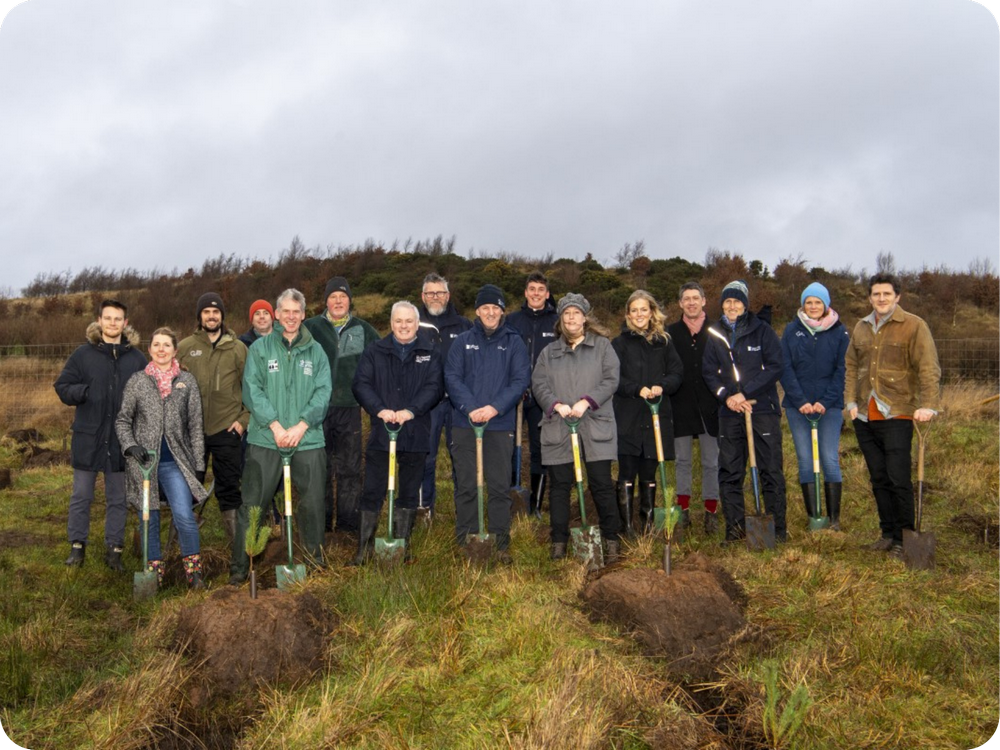
After the inaugural congress at the University of Glasgow in 2022, 300 trees were planted – one for every delegate who attended the event.
The congress was clear: to achieve the SDGs, universities must leverage their human talent. They must build and lead equitable partnerships. They must ensure that their curricula are diverse, interdisciplinary and accessible. Universities must embrace their reputation and be seen in public as responsible leaders.
Plan ahead – follow the links to learn more



Copyright
Copyright © 2026 Times Higher Education (THE).
All rights reserved.
Information