
How to make supply chains more resilient, efficient and sustainable
Changing trade dynamics, concentrated supply chains and evolving regulatory requirements are creating new challenges for businesses across manufacturing, retail, healthcare and logistics. At the same time, automation, digital technologies and circular supply chains are creating opportunities to improve efficiency and strengthen resilience.
This track examines how organisations can secure critical materials, transform industrial operations, navigate cross-border complexity and build supply chains that are more resilient, efficient and sustainable.

Discussion topics
Operational, logistics, and procurement leaders will seek to answer four big questions framing the debate on the future of supply chain dynamics.
1. How can industry and logistics stakeholders adapt to market movements and ensure robust, resilient supply chains?
Securing battery cells, critical minerals, recycling capacity, and the physical infrastructure required to mitigate rapid market shocks.
2. How can circular supply chain strategies drive sustainable, long-term profitability?
Embedding circularity in procurement and logistics operations to maximise efficiency, minimise waste, and add value to the balance sheet.
3. How are multimodal logistics hubs like the Greater Bay Area setting new benchmarks for cross-border collaboration and supply chain efficiency?
Leveraging technology, automation, and integrated infrastructure like that found in the GBA to streamline supply chains and navigate cross-border shipping.
4. How will global policy and geopolitics shape the post-2030 supply chain environment?
Evolving impacts of tax burdens, carbon compliance requirements, and legislative conditions on global logistics stakeholders.
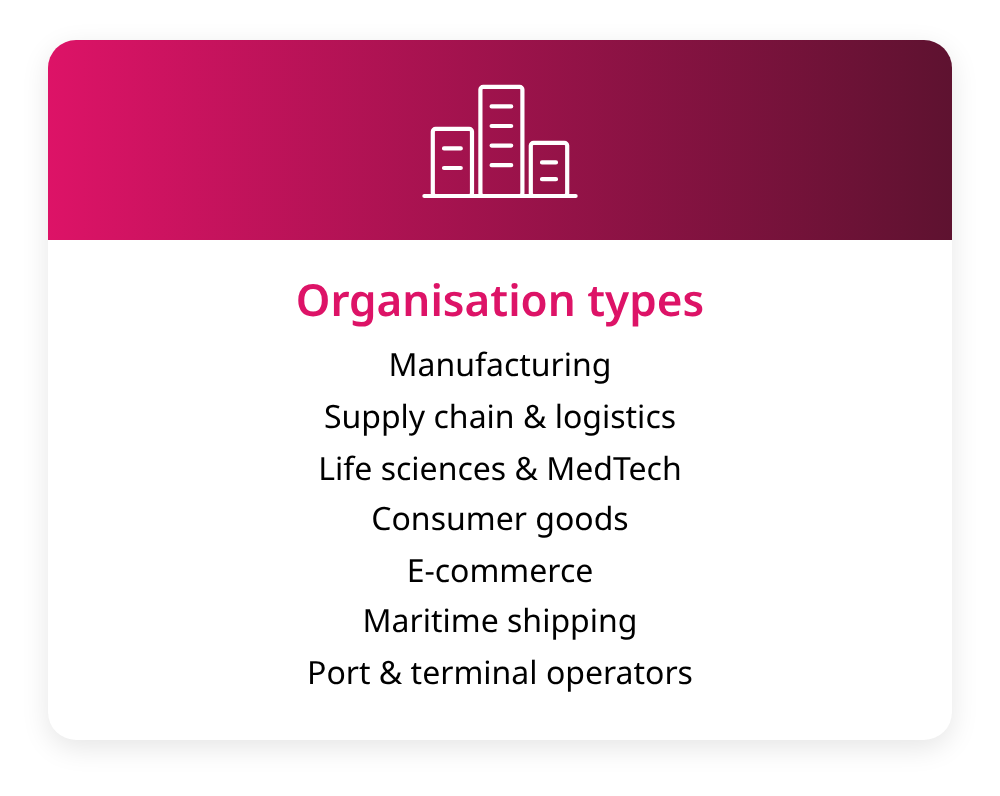
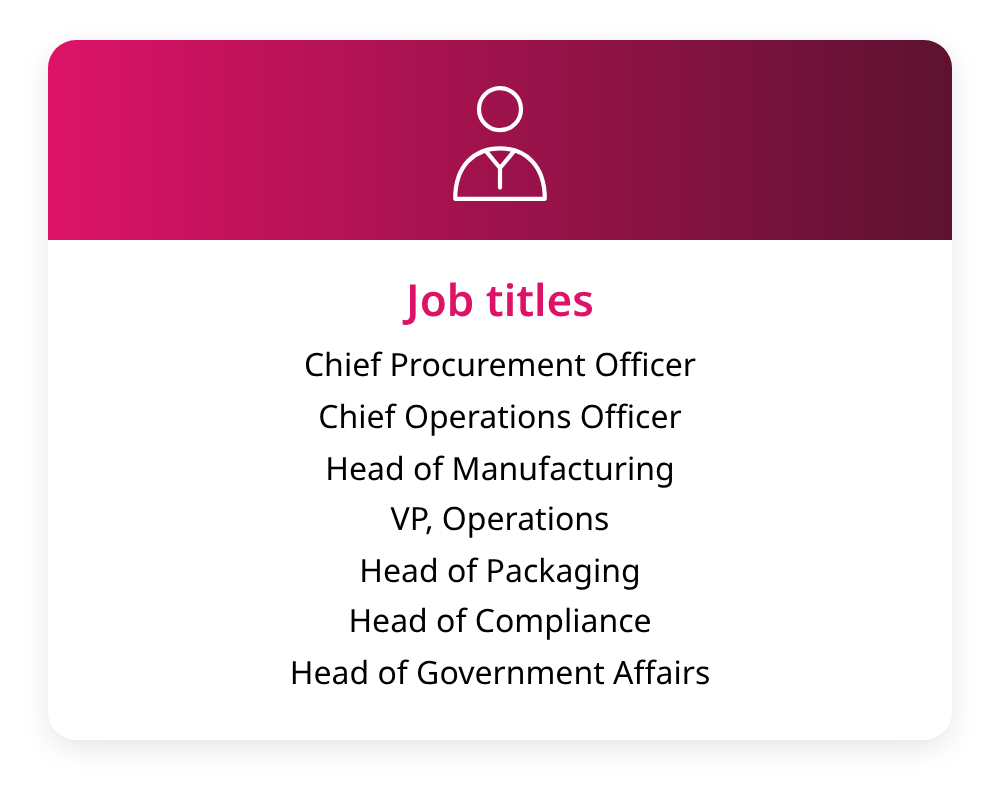
Who you will meet

Copyright
Copyright © 2026 Times Higher Education (THE).
All rights reserved.
Information